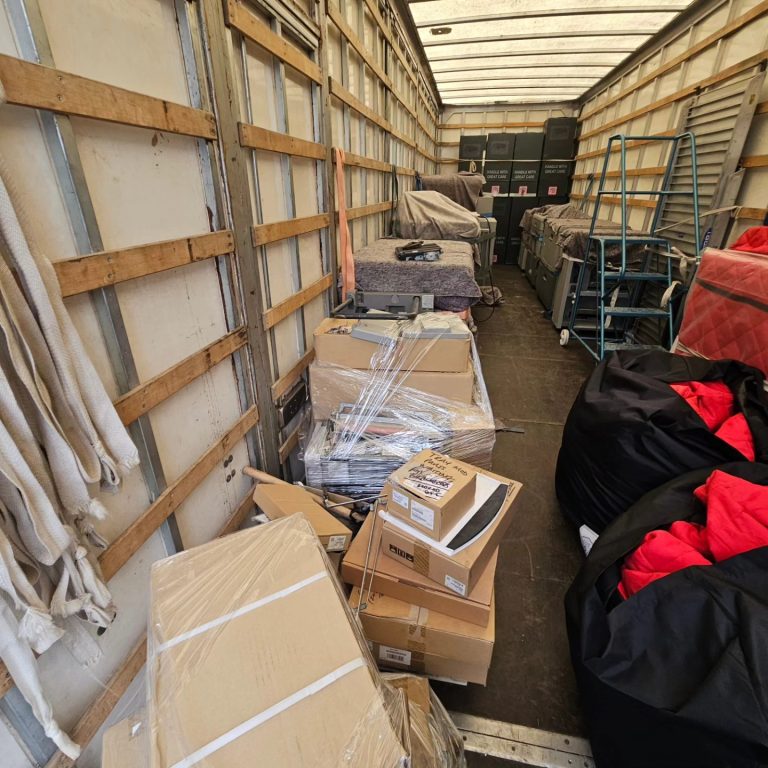
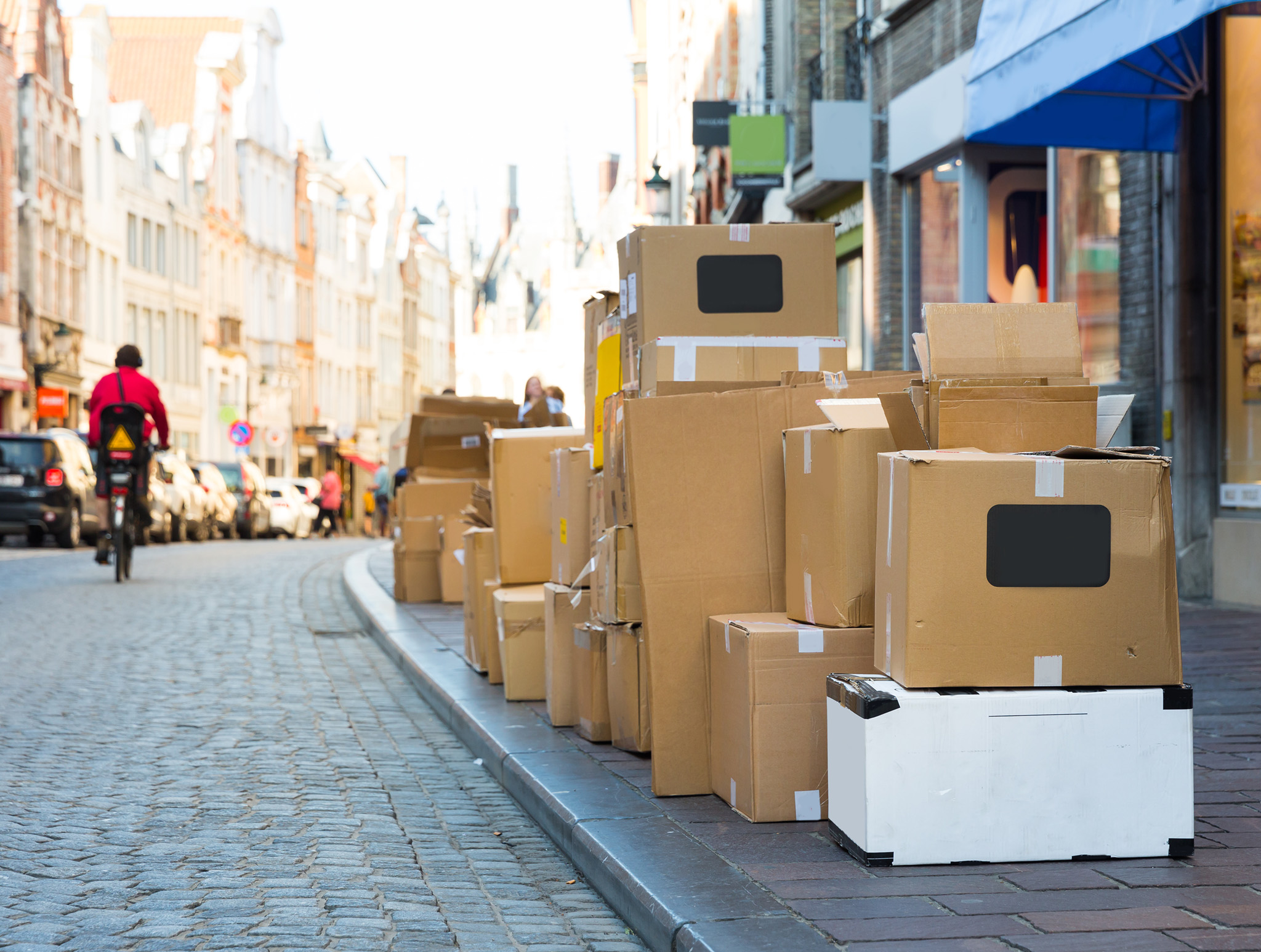
Moving a retail shop is very different from moving an office or a house.
You’re working to tight deadlines, dealing with expensive fixtures, and every extra day you’re closed costs money. Most problems don’t come from the move itself, they come from moving things in the wrong order, or not preparing stock and displays properly.
Below, we run through the practical basics of how to relocate stock, shelving and shop displays safely, reduce downtime, and reopen as quickly as possible.
Plan the Move Around Trading Time
Before anything is packed, you need to decide how the move fits around trading.
This usually means being clear on when your last trading day is, when you need to reopen, and whether the move will happen overnight or over a weekend. You’ll also need to confirm whether the new unit is fully fitted out or if stock will need to go into storage temporarily.
Many retail moves run into trouble when the fit-out overruns and stock arrives too early. If shelving can’t be installed yet, moving everything in one go often creates double handling, first into storage, then back out again into the shop.
These decisions directly affect vehicle size, crew numbers, how long the move takes, and whether storage is needed at all.
How to Prepare Stock for a Retail Move
A shop move is the ideal time to avoid relocating stock you no longer need.
Before packing, take time to reduce what’s being moved. Separate core lines from clearance stock, group items by department or display area, and flag anything that’s high-value or fragile early on. Every box you don’t move saves time and money.
When packing does begin, poor packing can be a big cause of delay. Overfilled or loosely packed boxes slow loading and unloading and increase the risk of damage. Using uniform boxes, keeping weights sensible, sealing boxes properly and labelling by department or display (rather than just “shop floor”) makes unpacking far quicker at the other end.
For busy retailers, professional packing often pays for itself by speeding up the move and allowing staff to focus on reopening.
Moving Shelving, Racking and Fixtures
Most retail shelving systems, including gondola shelving, wall-mounted rails and slatwall, can be dismantled. However, dismantling isn’t always the best option.
Large runs of shelving often transport better intact if access allows. This reduces reassembly time and helps get the shop trading again sooner.
Where shelving is dismantled, the biggest issues tend to come from small components. Brackets, fixings and connectors need to be kept together, clearly labelled and protected. Metal shelving should be wrapped to prevent scratching, and powder-coated edges protected to avoid chips that show once refitted.
Displays, Counters and Front-of-House Items
Front-of-house fixtures are usually the most expensive items in a retail move.
Till counters, glass cabinets, mirrors, signage and window displays often involve glass, MDF or laminate finishes, all of which are vulnerable in transit. These items need proper wrapping and protection, and in many cases must be transported upright.
If something would be difficult or costly to replace, it needs extra planning rather than being treated like general stock.
Access, Loading and Site Rules (Often Overlooked)
Access issues cause more retail move delays than anything else.
Before moving day, confirm loading bay availability, delivery time restrictions (especially in shopping centres), lift access and booking slots, security sign-in requirements, and the distance from the vehicle to the shop unit.
City-centre and mall locations often operate strict delivery windows. Missing a slot can delay unloading by hours, or even push the move back to another day.
What to Tell Your Removal Company Before a Retail Move
Clear information upfront avoids surprises and inaccurate quotes.
At a minimum, your removal company should understand the type of retail business you run, how much stock is involved, what shelving and racking systems are in place, whether there are fragile or high-value displays, what access rules apply at both sites, and when you need to reopen.
The more accurate the details, the smoother the move.
Ready for a hands off Business Move?
Retail shop moves work best when they’re planned, not rushed. Moving stock, shelving and displays in the right order reduces damage, saves time, and gets you trading again sooner.
Moved Removals regularly handles retail relocations across Liverpool, Wirral, Chester, Cheshire and the wider North West, from small independent shops to multi-unit moves.
If you’re planning a retail move and want practical advice, realistic timings or an accurate quote, speaking to experienced movers early makes all the difference.