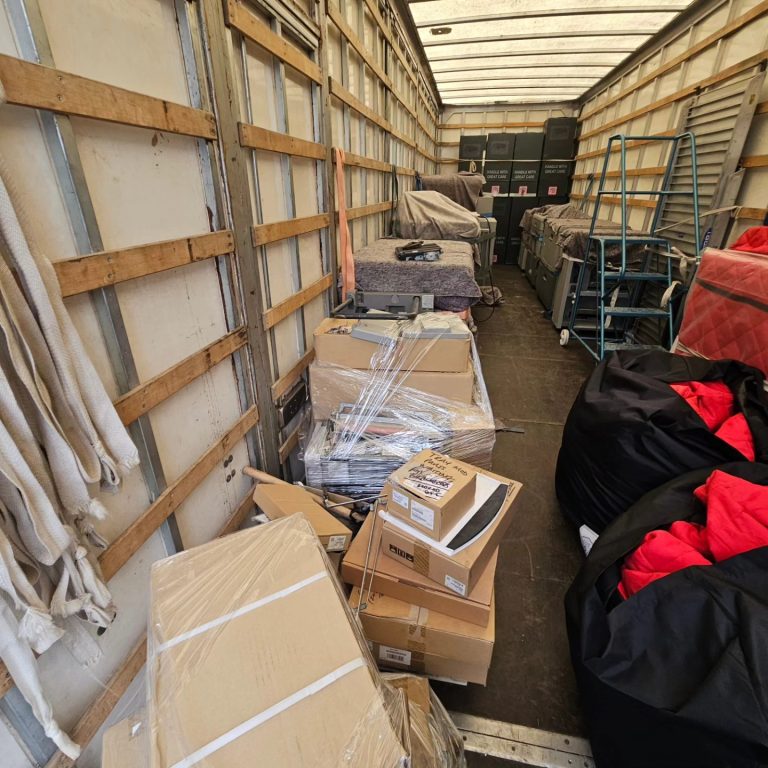
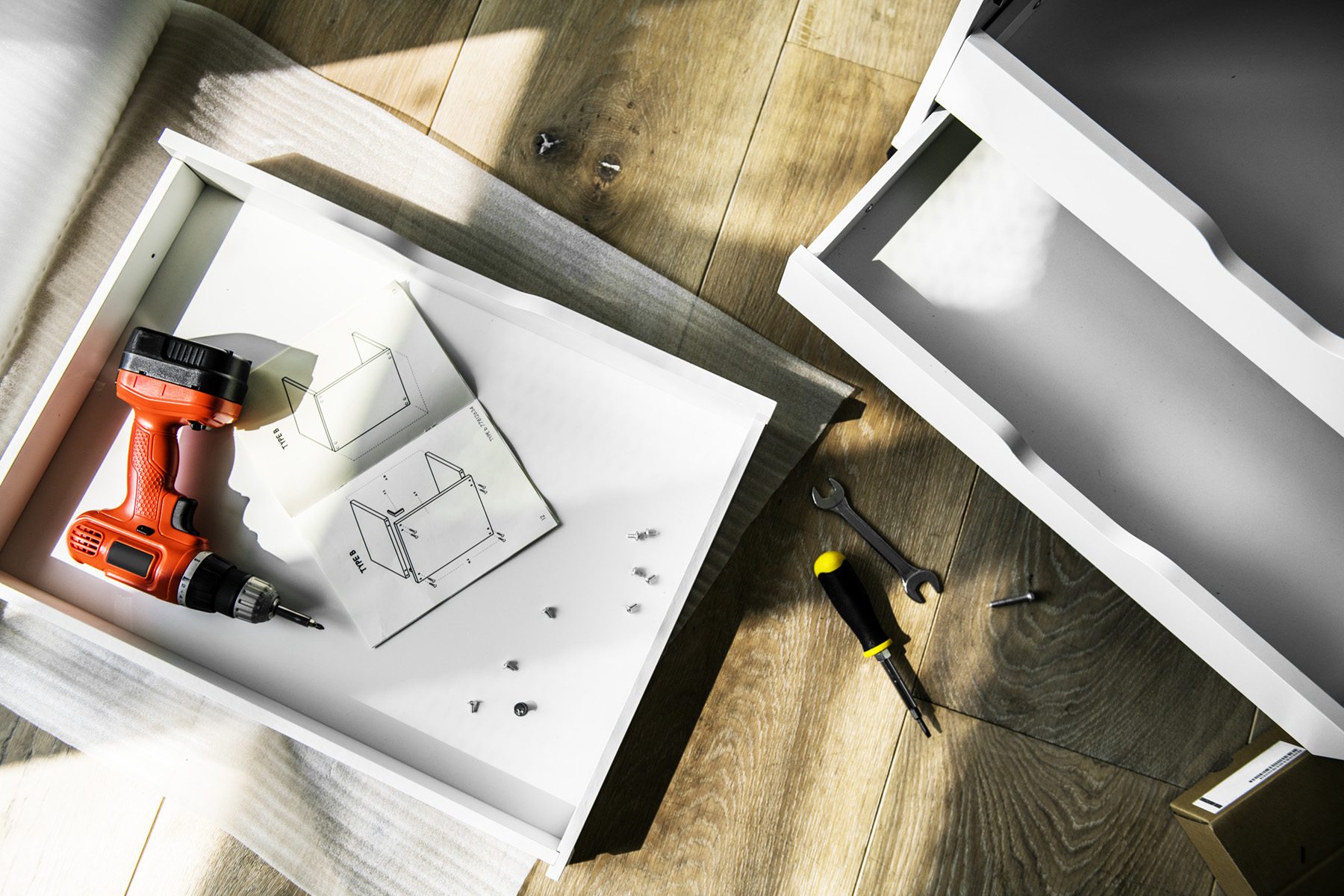
The biggest problem most people have is that enormous wardrobe in the spare room. It just isn’t going to get moved through the door. And at the end of the day, this is something most professional removers handle. For a little extra, most removals can complete the dismantling of furniture. It can help save you the hassle of furniture replacement, and make the moving day a lot less stressful.
Quick Read: Do Removal Companies Dismantle Furniture?
Short answer: yes, but it’s usually a planned, additional service.
Most professional removal companies can dismantle and reassemble furniture as part of a move, particularly for larger items like beds, wardrobes and office desks. However, it’s not always included as standard, and it needs to be discussed in advance so the team can allow the right time, tools and crew on moving day.
In practice, dismantling is often the difference between a smooth move and damaged furniture. Large items rarely come out of a property as they went in, especially wardrobes, bed frames and flat-pack units that were built in place.
Common items that usually require disassembly
- Big beds with wood or metal frames.
- Heavy dining tables with bolted legs.
- Multi-door wardrobe that cannot be moved all together.
- L-configuration workstations or office desks.
- Big outdoor stuff, like a trampoline/playhouse.
How Movers Handle Flat-Pack and Large Items
When buying flat-pack furniture from shops like IKEA or Argos, it’s not advisable to attempt to reassemble these at home, as the cheap pressed wood and chipboard crack easily. Skilled flat-pack assembler crews will take the risk into account (you may be asked to sign a waiver, especially for very old or thin furniture).
Some specialist items need extra care
- Divan beds: These are largely divided into two bases, which need to be unfastened.
- American fridge freezers: Doors often need to be removed to go through tight hallways.
- Washing machines: These require transit bolts to hold the drum for protection.
What you need to do is keep the original allen keys and spanners close to hand. As a rule, packers will have their own tools, but some specific items may require a different key, which will have been supplied with the item.
Managing Small Parts and Tools on Moving Day
Small pieces, such as screws, washers, bolts, etc., are easily lost during the chaos of the packing process. Place all such items, ideally in a labelled freezer bag, and tape it to the appropriate piece of furniture. The crew may be willing to do this for you if you are paying for the full work.
Items you may need to keep ready
- Set of hex keys / Allen keys.
- Flat-head and Phillips screwdrivers.
- Small adjustable spanners.
- Heavy-duty packing tape.
- Labelling bag marker pens.
The crew will inspect your furniture first to ensure the toolkits they use are compatible with the specific fixings in your house. They’re not going to risk moving your belongings to the new house.
Why Movers May Avoid Certain Items
Not all removal companies take certain items. Often, these are fragile things that could easily be broken, such as very old antique glassware and crazy old items. Sometimes they will not move the greenhouse and shed in the garden, as the frames tend to rust and rot.
What some movers avoid
- Disconnection or reconnection of gas cookers.
- Any plumbing in the dishwasher or washing machine.
- Hard-wired electrical light fixtures.
- Built-in wall units.
Most crews disconnect water pipes. They seldom reconnect them due to the risk of leaks. You will need a plumber for this part of the process. This is just a standard industry rule to prevent the company from incurring insurance claims.
Moved Removals makes handling domestic transitions across the Wirral, Liverpool, Chester, and the rest of the North West simple. They have the right equipment for all your furniture, whether you are moving house or office. Request a quote to ensure your furniture is ready to use when it arrives at your new home.