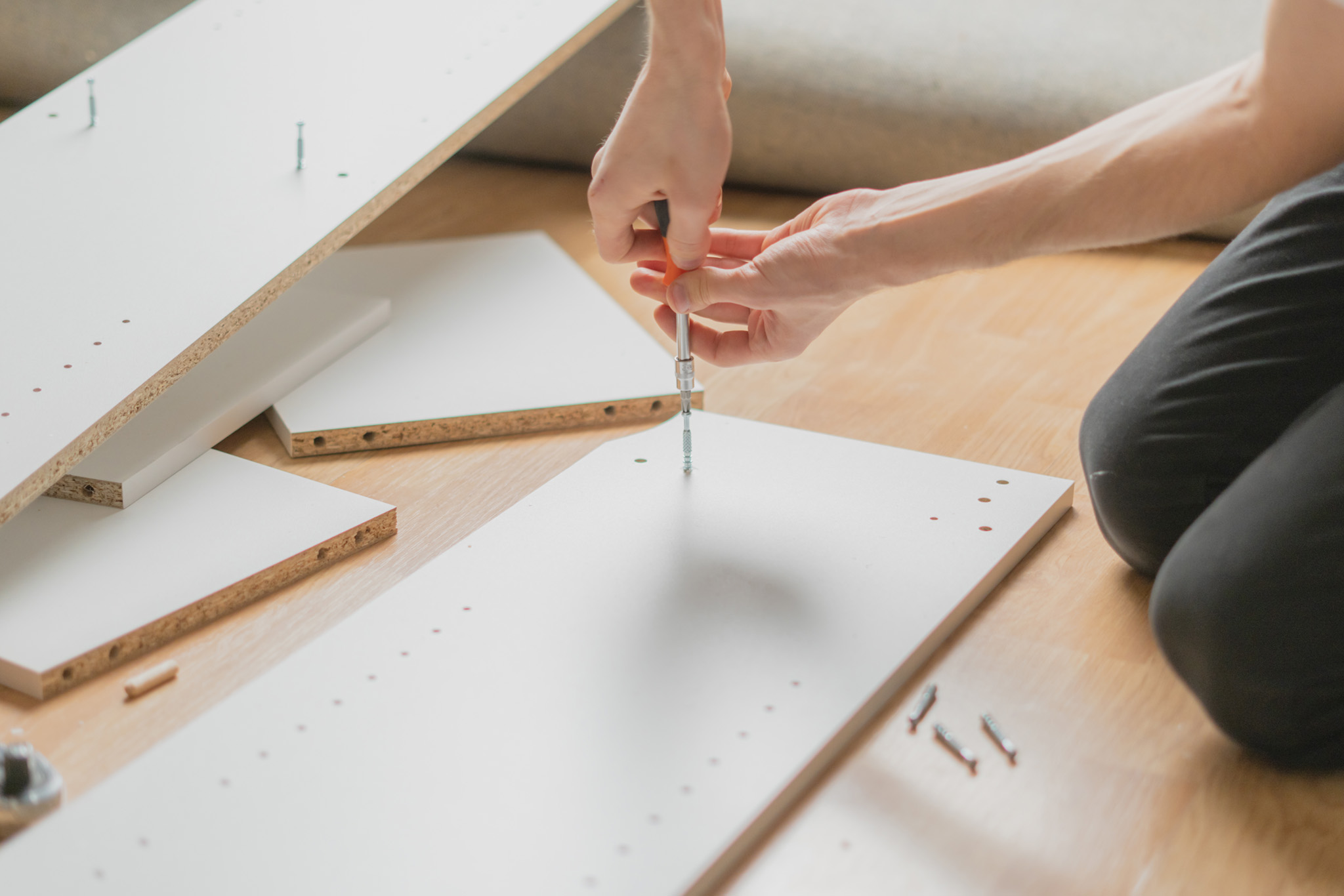
Large flat-pack furniture is one of the most common concerns we’re asked about, and for good reason. Items like wardrobes, beds and storage units may feel solid day-to-day, but moving them safely is all about preparation, access and knowing when not to take risks.
1. Should large flat-pack furniture be dismantled before moving?
Our answer: In some cases, yes — dismantling can be the safest option.
Flat-pack furniture is designed to be assembled where it lives, not carried through doorways or transported in one piece. Dismantling reduces strain on fixings, prevents panels from flexing, and makes the move far more predictable.
There are some situations where partial dismantling is enough, but we always assess this properly rather than assuming.
2. Can any flat-pack furniture be moved fully assembled?
Our answer: Sometimes — but only in specific conditions.
Smaller, narrow units with good access at both properties may be moved intact. Even then, shelves, drawers and doors are usually removed to reduce weight and stress on the frame.
For tall, wide or wall-to-wall furniture, dismantling is almost always recommended.
3. What makes flat-pack furniture risky to move?
Our answer: It’s usually not the distance — it’s the handling.
The following factors increase the chance of frames twisting, backs tearing, or furniture becoming unstable after the move.
- Tight staircases or narrow hallways
- Upper floors without lifts
- Long carry distances
- Older furniture with loosened fixings
- Units that have been moved before
4. Does access at both properties make a difference when moving flat-pack items?
Our answer: Yes — access at both ends matters.
What works at one property may not work at the other. Door widths, stair turns, ceiling heights and parking all affect whether something can be moved safely.
A quick conversation can often tell us straight away whether dismantling is needed, and helps avoid problems on moving day.
5. How do you protect flat-pack furniture during transport?
Our answer: Protection changes depending on whether the furniture is dismantled or intact.
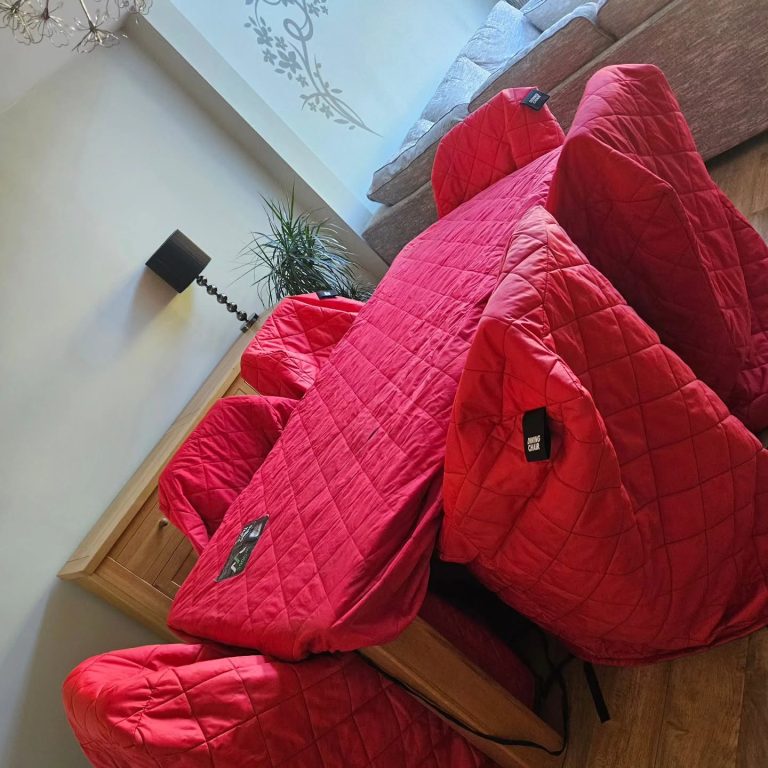
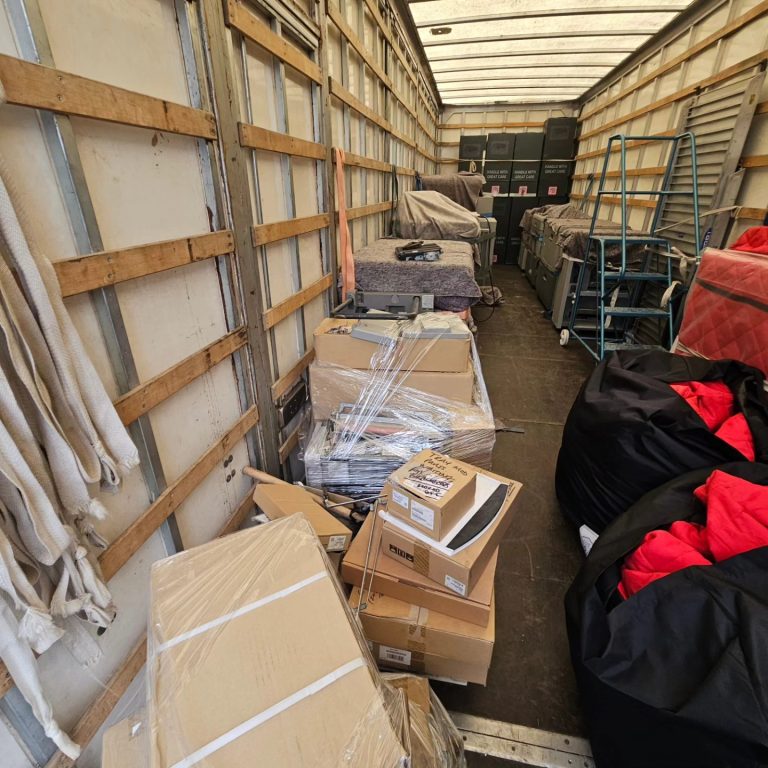
Flat-pack panels are vulnerable to bending and pressure, so how they’re loaded matters. We usually recommend:
- Wrapping panels individually
- Keeping large pieces upright
- Padding contact points
- Securing items to prevent movement
6. Does move distance affect whether furniture should be dismantled?
Our answer: Yes — absolutely.
Short local moves may allow more flexibility. Long-distance or European relocations put furniture under hours of vibration and movement, which increases the risk of damage.
For longer journeys, dismantling is usually the safest and most reliable option.
7. What happens if something isn’t safe to move as it is?
Our answer: We explain the risk and recommend the best solution.
Sometimes that means partial dismantling, sometimes full dismantling, and occasionally advising against moving an item altogether if it’s unlikely to survive the journey in good condition.
Clear advice before moving day prevents disappointment afterwards.
Final Word from Our Movers
Large flat-pack furniture doesn’t need guesswork — it needs experience.
When handled properly, most flat-pack items can be moved safely. The key is knowing when dismantling is the smarter option and planning for it early.
Moved Removals regularly handle large flat-pack furniture across Wirral, Liverpool, Chester, Cheshire and the wider North West, and we’re always happy to assess items honestly before moving day.
A few simple questions upfront can save a lot of stress later.